
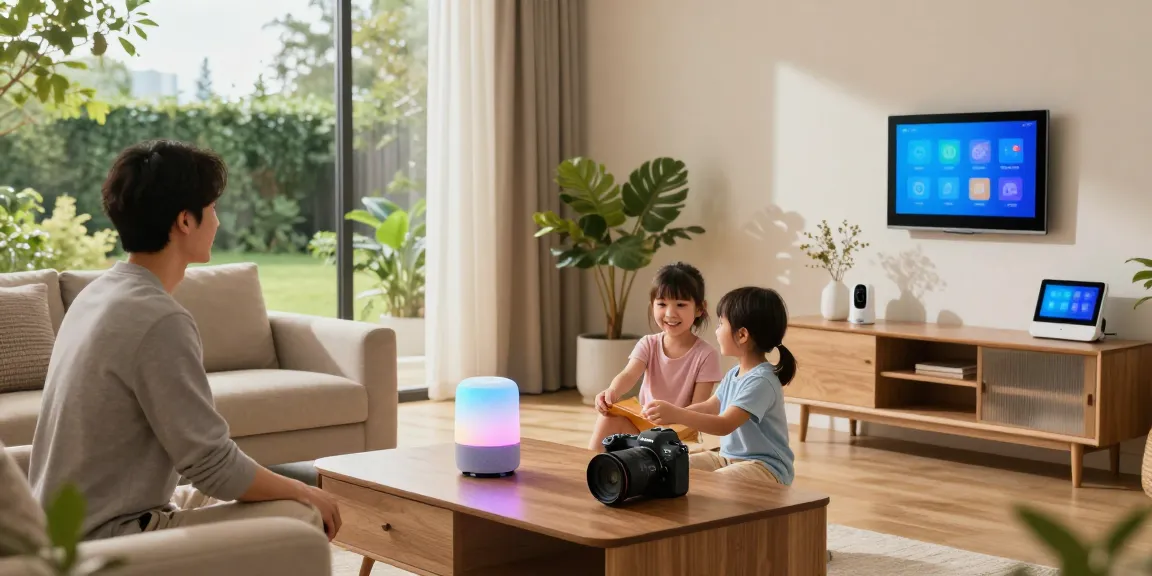
Overview of Smart Home Gadgets
In an era where technology continues to transform our daily lives, smart home gadgets are at the forefront of this revolution. These devices, designed to enhance convenience, security, and energy efficiency, are being integrated into homes across the globe. From voice-controlled assistants to automated lighting systems, the variety of smart home devices available in 2026 reflects the growing trend towards creating more connected and efficient living spaces. When exploring options, smart home gadgets not only streamline tasks but also contribute to a more sustainable lifestyle.
What Are Smart Home Gadgets?
Smart home gadgets are electronic devices that connect to a network, allowing you to control them remotely or automatically via a smartphone app or other smart devices. These gadgets range from simple devices like smart bulbs to complex systems integrating security monitoring and energy management. The key feature of these devices is their ability to communicate with each other and with you, providing a seamless home automation experience.
Benefits of Smart Home Technology
- Convenience: Automate routine tasks and control devices remotely.
- Energy Efficiency: Monitor and manage energy usage to reduce bills.
- Enhanced Security: Utilize smart locks, cameras, and alarms for improved home safety.
- Customization: Tailor your home environment to suit your mood and preferences.
Understanding Smart Home Ecosystems
Smart home ecosystems refer to the integrated network of devices that work together to create a cohesive smart home experience. Popular ecosystems include Google Home, Amazon Alexa, and Apple HomeKit, each providing a different level of compatibility and functionality. Understanding these ecosystems is crucial for selecting devices that can work harmoniously within your home.
Key Categories of Smart Home Gadgets
Smart Lighting Solutions
Smart lighting solutions allow homeowners to control their lights remotely through apps or voice commands. These systems can be programmed to adjust according to your routine or even sync with other smart devices in the home. For instance, smart bulbs can automatically dim when you’re watching movies or turn on gradually to simulate a sunrise.
Intelligent Security Systems
With a growing focus on home security, intelligent security systems have become increasingly sophisticated. These systems include video doorbells, motion sensors, and smart locks that not only enhance security but also offer remote monitoring capabilities. Users can receive alerts on their smartphones and even interact with visitors through two-way audio features, providing peace of mind wherever they are.
Home Automation Devices
Home automation devices encompass a range of products designed to make everyday tasks easier. This category includes smart thermostats that learn your heating preferences and adjust automatically, as well as smart plugs that can turn any device into a smart one by allowing remote control over its power source.
Choosing the Right Smart Gadgets for Your Home
Budget Considerations and Cost-Saving Tips
When investing in smart home gadgets, it’s essential to establish a clear budget. Prices can vary significantly based on features and brand reputation. Consider starting with a few key devices that align with your primary needs, such as smart bulbs for ambiance or a smart thermostat for energy savings. Over time, you can expand your collection as your budget allows.
Compatibility with Existing Devices
Before purchasing new smart home gadgets, check their compatibility with your existing devices. Most ecosystems like Google Home or Amazon Alexa are designed to work with a wide range of products, but not all devices integrate seamlessly. Researching compatibility will save you time and potential frustration during installation.
User Preferences and Lifestyle Needs
Different households have unique requirements and lifestyles, so it’s important to choose devices that suit your specific needs. For example, pet owners may benefit from smart pet feeders and monitoring cameras, while busy families might find value in smart kitchen gadgets that help streamline meal preparation.
Installation and Setup of Smart Home Gadgets
Step-by-Step Installation Guides
Most smart gadgets come with comprehensive installation instructions, which typically involve connecting the device to your Wi-Fi network and setting it up through an app. Follow the manufacturer’s guidelines closely to ensure a smooth setup. Many platforms also offer user-friendly interfaces that guide you through the process.
Common Installation Mistakes to Avoid
Installation errors can lead to connectivity issues or device failures. One common mistake is placing devices too far from the Wi-Fi router, which can result in weak signals. Additionally, failing to update firmware or software can affect performance, so ensure that all your devices are running the latest versions.
Using Apps for Remote Management
Mobile applications play a crucial role in managing smart home devices. Familiarize yourself with the app’s settings to fully leverage features such as scheduling, remote control, and compatibility with other smart devices. Some apps also offer valuable insights into energy consumption and device performance.
Future Trends in Smart Home Gadgets
Predicted Innovations and Technology Advancements
The future of smart home gadgets looks promising, with innovations aimed at increasing connectivity and functionality. Expect advancements in voice recognition technology, improved energy management systems, and enhanced security features. As smart gadgets evolve, they will become more intuitive, learning user habits and preferences to offer a truly personalized experience.
The Role of AI in Future Smart Homes
Artificial intelligence (AI) is set to revolutionize the smart home landscape. AI-powered devices will not only automate tasks but also predict user needs based on behavior patterns. For example, a smart thermostat might adjust based on your daily routine, optimizing energy use without sacrificing comfort.
How Consumer Preferences Are Shaping Smart Gadgets
Consumer preferences significantly impact the design and functionality of smart home gadgets. As sustainability becomes a priority, manufacturers are focusing on creating energy-efficient devices that are environmentally friendly. Moreover, enhanced user privacy and security features are increasingly becoming selling points for new products.
What is a smart home gadget?
A smart home gadget is a device that connects to the internet and can be controlled remotely, often through a smartphone app or voice commands. Examples include smart lights, smart locks, thermostats, and security cameras.
How do I convert my home into a smart home?
To convert your home into a smart home, start by selecting a central smart assistant (like Amazon Alexa or Google Assistant) and add compatible devices incrementally. Begin with essential devices such as smart bulbs and plugs, and expand from there based on your needs and preferences.
What cool things can smart homes do?
Smart homes can automate everyday tasks, such as adjusting lighting based on the time of day, playing music in response to voice commands, and sending alerts if security cameras detect unusual activity. They can also integrate with home appliances to create a more streamlined living environment.
Are smart home gadgets worth the investment?
Smart home gadgets can be worth the investment for many users, as they offer increased convenience, improved security, and potential energy savings. However, the value will depend on how effectively you use these devices to enhance your lifestyle.
How do smart home gadgets communicate with each other?
Smart home gadgets communicate through various protocols, including Wi-Fi, Zigbee, and Z-Wave, enabling them to work together within a unified ecosystem. This communication allows devices to share information and respond to commands seamlessly, creating an integrated smart home experience.