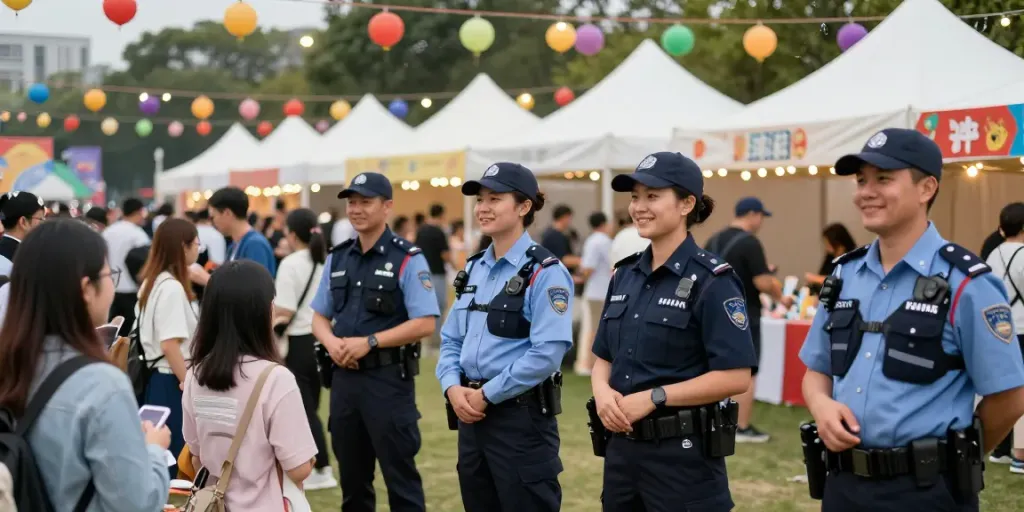
Understanding Event Security: What You Need to Know
Event security is a crucial aspect of organizing any gathering, be it a corporate conference, a music festival, or a private party. As the number of events increases across London, so does the need for comprehensive and effective Event Security services. This guide will delve into the essential components of event security, helping event planners and organizers understand their requirements and how to ensure the safety of their attendees.
What is Event Security?
Event security refers to the measures taken to protect people, property, and information during an event. This includes safeguarding attendees from potential threats and ensuring that the event runs smoothly. Event security spans various aspects, including crowd management, access control, emergency response planning, and risk assessment. It aims to preemptively address security concerns, ensuring that the focus remains on the event itself rather than potential disruptions.
Key Responsibilities of Event Security Personnel
The roles and responsibilities of event security personnel are multifaceted and crucial for maintaining a safe environment. Some key responsibilities include:
- Crowd Management: Monitoring the behavior and movement of attendees to prevent overcrowding and manage potential conflicts.
- Access Control: Screening guests at entrances to prevent unauthorized entry and verifying tickets or passes.
- Emergency Response: Training to handle emergencies, including medical incidents, fire, and evacuation procedures.
- Surveillance: Using CCTV and other security technology to monitor the event space for suspicious activities.
- Communication: Coordinating with event staff and local authorities for seamless communication in case of emergencies.
Types of Events Requiring Professional Security
Various events necessitate the involvement of professional security services, including but not limited to:
- Concerts and Festivals: Large gatherings often see substantial crowds, making professional security indispensable.
- Corporate Events: Protecting sensitive company information and ensuring a secure environment for executives and guests.
- Sports Events: Managing crowd dynamics and ensuring player safety during matches.
- Private Parties: Protecting personal property and ensuring participants feel safe at the event.
How to Choose the Right Event Security Provider
Choosing the right security company for your event is critical to its success. Different security providers will offer varied services, and it is essential to select one that aligns with your specific requirements. Factors to consider include:
Evaluating Experience and Certifications
Look for security firms with extensive experience in managing events similar to yours. Ensure they have necessary certifications and licenses, such as the Security Industry Authority (SIA) license, which guarantees that the company meets specific operational standards. Check for any additional certifications that might confirm their expertise in handling unique situations.
Considering Local vs. National Security Companies
Local security companies often have the advantage of understanding the area better, including local regulations and potential challenges specific to the venue. Conversely, national companies may offer more extensive resources and personnel. Evaluate your needs to determine which type of service provider aligns best with your event profile.
Understanding Client Testimonials and Reviews
Client testimonials and online reviews can provide insights into a security provider’s reliability and quality of service. Pay attention to feedback regarding their responsiveness, professionalism, and how effectively they managed past events. This information can be invaluable in making an informed decision.
Pricing Guide for Event Security Services
Understanding the costs associated with event security will help you budget effectively and avoid unexpected expenses. Pricing can range widely based on various factors, including the complexity of security needs and the duration of the event.
Typical Costs for Different Types of Events
On average, security companies may charge between £12 and £30 per hour for standard security services. Consider the following when budgeting for security:
- Small Events: May require fewer personnel and basic patrolling, costing approximately £500 to £1,000.
- Medium-Sized Events: Requires more security personnel, potentially costing between £1,000 to £5,000 depending on the duration and complexity.
- Large Events or Festivals: Can range from £5,000 to upwards of £20,000, especially if specialized services such as VIP protection or crowd control are needed.
Factors Influencing Security Service Pricing
Several factors can influence the cost of event security services, including:
- Duration of the Event: Longer events may require more personnel or overnight shifts.
- Type of Event: Higher-risk events may necessitate more experienced security teams.
- Location: Events held in urban areas may have different pricing structures compared to rural settings due to various operational challenges.
Budgeting for Unexpected Security Needs
Always allocate a contingency budget to cover unforeseen security needs. This could include last-minute personnel adjustments, additional equipment rental, or specialized security measures due to emergency situations. Having flexibility in your budget can prove invaluable for ensuring the event proceeds without major hitches.
Licensing and Insurance: What to Check
When hiring security providers, it is essential to verify their licensing and insurance to ensure you are partnering with a reputable company. This protects you from liability in case of incidents occurring during your event.
Understanding SIA Licensing Requirements
All security personnel in the UK must hold an SIA license, which signifies their training and capability to carry out security duties. Always request to see the licenses of the personnel assigned to your event, along with the company’s licensing information.
Importance of Liability Insurance for Security Firms
Liability insurance protects both you and the security firm against potential claims arising from incidents that may occur during the event. Ensure the company has sufficient coverage, including public liability insurance that protects against injury to third parties and property damage.
Local Regulations for Event Security Companies
Familiarize yourself with local regulations regarding event security. Different boroughs in London may have specific laws governing safety measures, crowd control, and emergency protocols. Make sure your security provider is well-versed in these regulations to ensure compliance.
Key Tips for Successful Event Security Management
Implementing effective event security measures requires strategic planning and the ability to adapt to changing situations. Here are some essential tips to manage security successfully during your event:
Plan for Various Scenarios and Emergencies
Develop a comprehensive risk management plan addressing various scenarios. Consider situations such as overcrowding, medical emergencies, or potential threats. Conducting emergency drills with your security team prepares them for efficient responses, reinforcing the safety of attendees.
Engaging with Attendees for a Positive Experience
Maintain a balance between security presence and the experience of attendees. Engage positively with guests, ensuring they feel safe while respecting their space. Well-trained staff should be approachable and ready to provide assistance when necessary, fostering a welcoming environment.
Post-Event Documentation and Feedback
After the event, engage your security team in debriefings to discuss what went well and areas for improvement. Gather feedback from attendees regarding their feelings of safety and overall experience. This information can help refine your approach for future events.
FAQs
What is event security?
Event security encompasses a range of services designed to protect participants, assets, and infrastructure during events.
How much do security guards get paid for a party?
Security guard rates can vary, typically ranging from £12 to £30 per hour based on the complexity and size of the event.
How to become security for events?
Becoming an event security professional typically requires obtaining an SIA license, along with training in crowd management, first aid, and emergency response.. Additionally, Event Security provides further details.